What to Eat When You Break Your Fast (and What to Skip)
Choose a balanced meal after an overnight fast without special food rules. Practical ideas, digestive comfort, and when prolonged fasting needs clinical advice.
Last updated
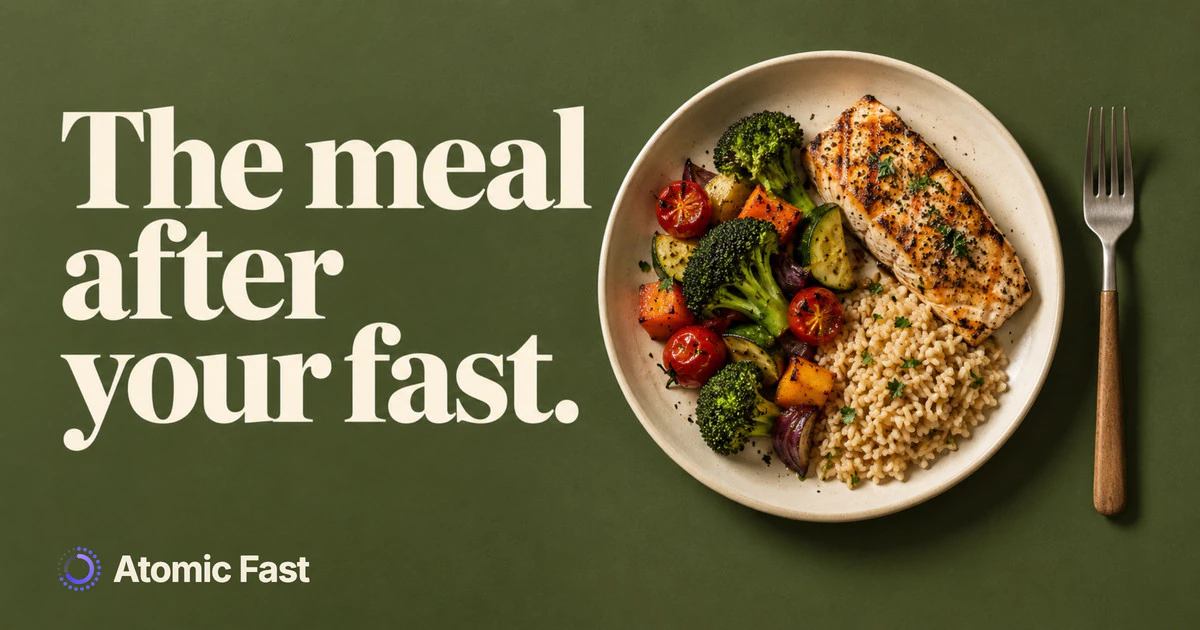
You have reached the end of an overnight fast. The next decision is an ordinary one: what meal will fit your appetite, preferences and day?
You do not need a special food to make the fast “count.” You also do not need to avoid carbohydrate because eating will refill some stored energy. That is part of what food does.
The short version
After an ordinary overnight fast, choose a normal balanced meal you tolerate well. Include protein, vegetables or fruit, and a carbohydrate source such as beans, whole grains or potatoes, with portions that suit you. Eat at a comfortable pace and drink water. A multi-day fast, malnutrition or significant recent weight loss changes the situation: seek clinical guidance before refeeding rather than relying on a small-meal recipe.
Build a meal you would eat on a normal day
A first meal does not need its own rigid list of approved ingredients. Some practical combinations are:
- Eggs or tofu, whole-grain toast and tomatoes.
- Plain yogurt or a suitable alternative, oats, fruit and nuts.
- Rice or another grain, lentils, fish or chicken, and vegetables.
- A sandwich with a protein filling and a side you enjoy.
These are examples, not a prescription or a tested “best break-fast” menu. Change them for allergies, digestive tolerance, cultural preferences and any existing care plan.
NIDDK’s healthy-eating guidance includes protein foods, whole grains, fruits and vegetables. For people with diabetes, it also emphasizes portions, carbohydrate awareness and an individual meal plan. It does not identify one first meal after fasting as universally best.
The ordinary meal you can prepare and enjoy is often more useful than an elaborate refeeding ritual you cannot keep up with. Planning it before you get very hungry can also make the transition easier.
Notice portions and comfort
If you arrive at the meal very hungry, it can help to serve a portion, sit down and eat at a comfortable pace before deciding whether you want more. A large meal can feel uncomfortable, but there is no need to assume your digestive system has shut down overnight.
Food tolerance varies. A large amount of raw vegetables or unfamiliar fermented food is not automatically gentler than cooked food you already tolerate. If bloating is a recurring problem, look at the foods, portions and symptoms rather than assuming the fasting duration explains everything.
Choose water alongside the meal. An ordinary overnight fast does not automatically require an electrolyte supplement or extra salt. If you have been told to restrict fluids or particular nutrients, follow that individual advice.
Carbohydrates have not ruined the fast
Eating raises nutrient availability. A rise in blood glucose after carbohydrate is not by itself proof of harm, and a particular food does not guarantee a later “crash.” The amount, the rest of the meal and your health circumstances matter.
If you have diabetes, use your agreed meal and medication plan. Changing the eating window can require clinical advice; a generic food list cannot make it safe. Our article on fasting and blood-sugar outcomes explains why a timer or a feeling of steady energy cannot stand in for laboratory monitoring.
A multi-day fast needs a different conversation
Do not apply an overnight meal example to someone who has eaten little for several days. NICE’s nutrition-support guidance identifies prolonged low intake, low body weight, weight loss and electrolyte problems among refeeding-risk considerations.
A little broth is not a plan for preventing refeeding syndrome. Clinical assessment may involve monitoring and a carefully managed return to nutrition. Our guide to breaking a long fast explains why the risk depends on more than hours alone.
What the meal log can help with
Atomic Fast can keep the meal and fasting record together. You can log food by photo, typed description, barcode or manual entry. Check estimated portions and nutrition before saving.
A logged meal also has a separate estimated digestion-complete time. It does not move the timer’s phase boundaries or prove how your glucose responded. Use the record to remember what you ate and when, including notes you may want to discuss with a clinician.
Frequently asked questions
What is the best food to break an overnight fast? There is no established single best food. Choose a balanced meal you tolerate, with portions and ingredients appropriate to your circumstances.
Do I need to start with bone broth? No special starter is required for an ordinary overnight fast. Broth also cannot substitute for a clinical refeeding plan after prolonged low intake.
Can I eat carbohydrate at my first meal? Yes, unless your individual care plan says otherwise. Whole grains, beans, fruit and other carbohydrate foods can be part of a balanced meal.
Should the meal change after a multi-day fast? That situation needs individual assessment, especially with low weight, significant weight loss, illness or prolonged low intake. Seek clinical advice before restarting food rather than copying an overnight meal example.
Sources
Sources checked: October 11, 2026.
-
NIDDK — Healthy Living with Diabetes — Meal-planning principles and the need for individual advice about diabetes, food and medication.
-
NICE — Nutrition support for adults, CG32, recommendations — Identifies refeeding-risk factors after prolonged low intake; it is clinical guidance, not a home refeeding recipe.
Product verification: Meal logging and the separate digestion estimate were checked against product documentation and app code. Neither measures a glucose response.
Keep meals and fasts in one record with Atomic Fast on the App Store or Google Play.
This article is for general education and isn’t medical advice. If you’re pregnant, managing a health condition, taking medication, have a history of disordered eating, or are considering fasts longer than 24 hours, talk to a healthcare professional first.
Try Atomic Fast free
Track your fasts, log your meals, and see how they affect each other, on iPhone and Android.


 Scan to download