Coffee, Tea, and What Actually Breaks a Fast
Black coffee, tea, diet soda, a splash of milk, bulletproof coffee — here's what keeps you fasted, what quietly ends it, and why the answer depends on your goal.
Last updated
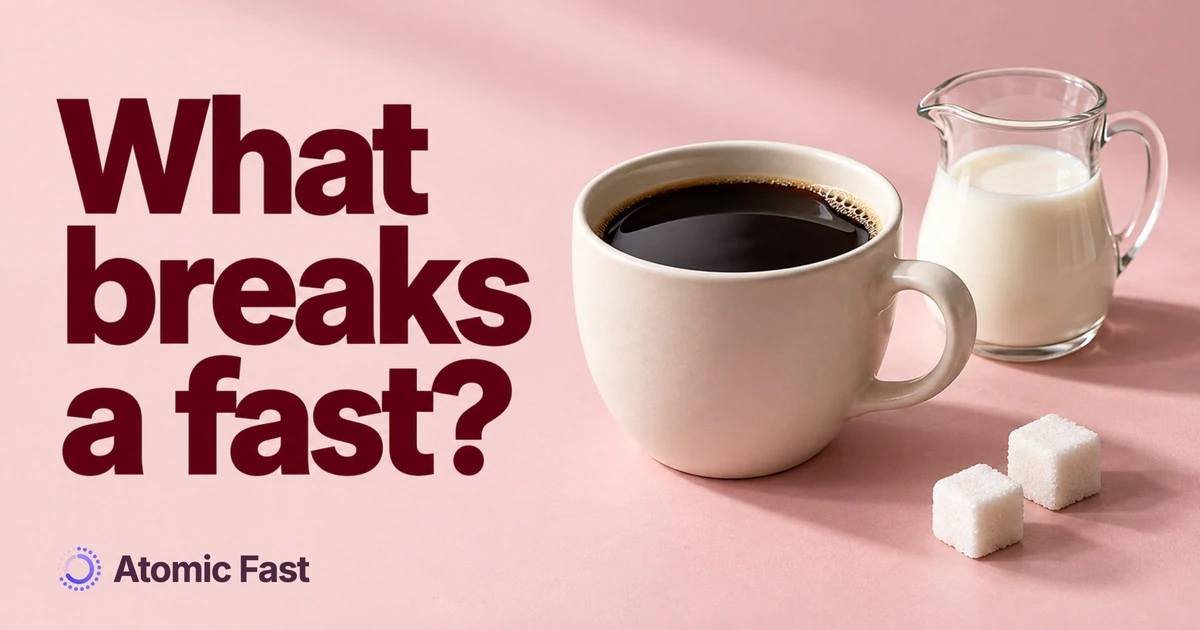
Does a splash of milk reset your fast? Before arguing over the splash, decide what the fast is for. An eating-window experiment, a blood test and a religious fast have different rules. A drink allowed in one can be wrong for another.
The short version
For ordinary time-restricted eating, food and calorie-containing drinks belong inside the eating window. Some plans allow black coffee or plain tea between meals. That convention doesn’t prove those drinks leave every biological process unchanged. There is no validated calorie threshold that tells you when human autophagy stops, and medical fasting instructions take priority over anything an app or blog says.
For a daily eating window, keep the rule understandable
A fasting timer records the interval you choose to count. If your plan defines that interval as time without caloric food or drink, a latte, juice, protein shake or snack ends it. Log when you had it and move on. One drink doesn’t erase the rest of your day or turn eating into a failure.
Black coffee and plain tea are often included in daily fasting plans because they contain very little energy when nothing is added. Milk, cream, sugar, honey and butter change that. Read the ingredients and portion rather than relying on a drink’s name.
If coffee gives you reflux during a fast, being technically allowed doesn’t make it a useful choice. You can change the drink, eat earlier or choose a different schedule. The rules should serve a practical purpose you can explain.
There isn’t a magic number for autophagy
Online rules sometimes promise that fewer than 25 calories, a particular number of carbs or one gram of protein preserves a fast. Those cutoffs aren’t an established human test of autophagy.
Autophagy is ongoing cellular recycling, with much of the fasting research coming from animals. It isn’t a switch an app can inspect. We also can’t use a coffee label to know whether it changed in a particular tissue. Our guide to when autophagy starts explains why an exact-hour promise goes beyond the evidence.
The same distinction matters for ketosis. Eating a small amount, a change in ketones and following a chosen eating-window rule are different questions. A timer can answer only the timing question.
A blood test has its own instructions
For a fasting blood test, MedlinePlus advises following your healthcare provider’s instructions. When fasting is required, that generally means plain water only for the specified interval. Coffee, flavored drinks, gum and exercise can matter to the result.
Don’t assume your usual fasting routine meets the preparation instructions. Ask about medicines and supplements rather than stopping or rescheduling them yourself. If you accidentally eat or drink something outside the instructions, tell the testing team; they can decide what to do.
Preparation for anesthesia or another procedure may differ again. Use the instructions from that team. This article is about everyday eating windows, not a substitute for procedure preparation or religious guidance.
Supplements and sweeteners need a reason, too
A protein or amino-acid supplement is nutritional intake. Gummies and flavored powders may contain sugar or other calories. For an eating-window record, use the label rather than guessing from words such as “wellness” or “electrolytes.”
A zero-calorie label also doesn’t establish an autophagy benefit. Sweeteners, coffee and supplements don’t all have one demonstrated effect across every fasting goal. You don’t need to solve that debate to keep a consistent meal-time record.
Electrolytes are not an automatic treatment for feeling shaky, dizzy or unwell. In particular, low blood glucose needs appropriate treatment, which can include fast-acting carbohydrate. Keeping a fast intact must never override treatment or food required with medication.
Record the meal, then choose the next step
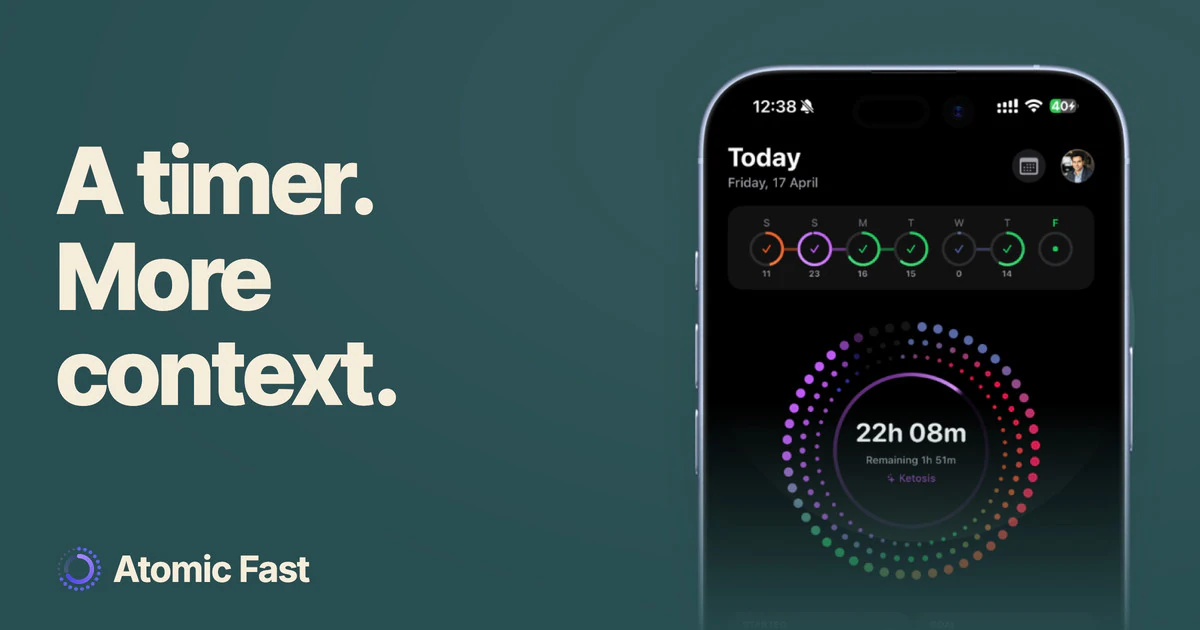
If you use Atomic Fast, the timer records elapsed time from the start you select. Its phase labels don’t measure ketones, insulin or autophagy. The food log can help you record a drink you would otherwise forget; estimates still need checking.
There is no need to compensate for an interrupted fast with a longer one. Keep a record if it helps, and review whether your eating window fits your day.
Frequently asked questions
Does black coffee break a fast? Many everyday eating-window plans allow it. It is not allowed during a fasting blood test when the instructions say plain water only, and it doesn’t prove autophagy is unchanged.
Does milk in coffee count as eating? For a window defined as no caloric intake, it counts as intake. Record it without treating a splash of milk as a failed day.
Can a zero-calorie drink stop autophagy? A label cannot tell you what autophagy is doing in your tissues. There is no established human cutoff that answers this for every drink and person.
Should I skip medicine to avoid breaking a fast? No. Follow the prescribing instructions and ask your clinician or pharmacist about timing and food requirements before changing your schedule.
Should I take electrolytes whenever I feel shaky? No. Shakiness can have different causes, including low glucose. Stop treating the timer as the priority and follow appropriate medical advice or your prescribed treatment plan.
Sources
Sources checked: October 11, 2026.
-
MedlinePlus, Fasting for a Blood Test — Preparation instructions for laboratory testing; not a general prescription for daily fasting.
-
Autophagy: Definition, Process, Fasting & Signs — Explains cellular recycling and the limits of human fasting evidence; does not validate a drink-specific calorie cutoff.
-
Low Blood Glucose (Hypoglycemia) - NIDDK — Explains low-glucose symptoms and treatment, which take priority over maintaining a fast.
Atomic Fast is available on the App Store and Google Play.
This article is for general education and isn’t medical advice. If you’re pregnant, managing a health condition, taking medication, have a history of disordered eating, or are considering fasts longer than 24 hours, talk to a healthcare professional first.
Try Atomic Fast free
Track your fasts, log your meals, and see how they affect each other, on iPhone and Android.


 Scan to download