Your First 16:8 Day: A Realistic Hour-by-Hour Walk-Through
An example first 16:8 day, from dinner to lunch, with flexible meal planning and clear reasons to stop early. Sixteen hours is a choice, not a test you must pass.
Last updated
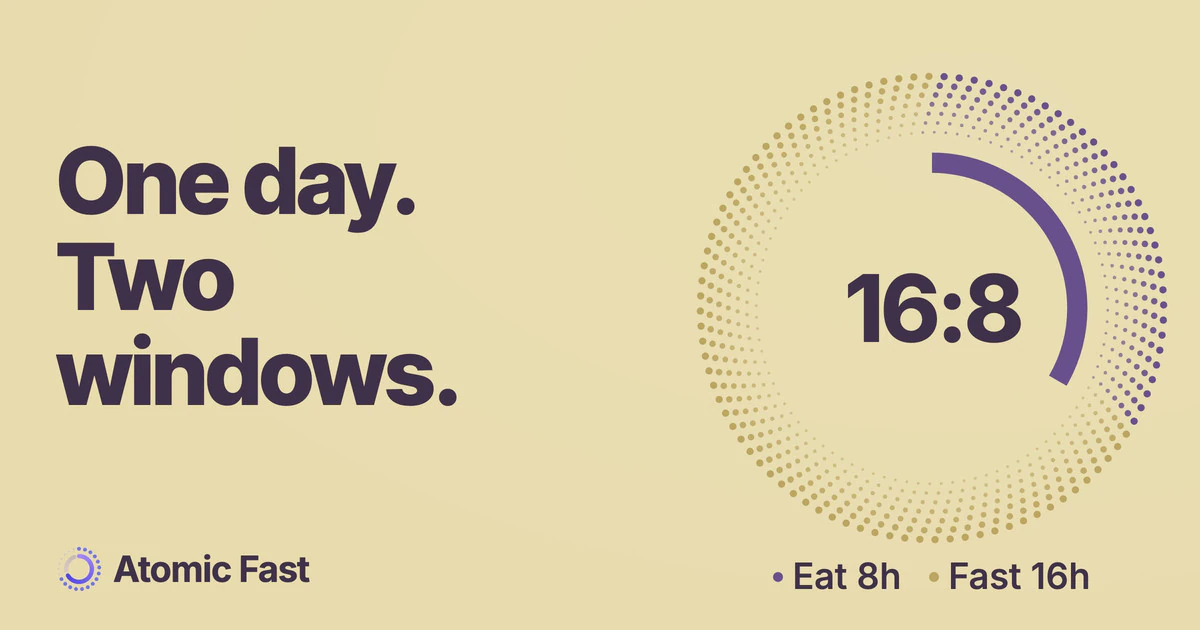
Most guides to 16:8 tell you the rules and stop there: eat in an 8-hour window, fast for the other 16, repeat. What they skip is the part you actually care about on day one. Will you be starving by 10 a.m.? Is the headache normal? Does black coffee ruin everything?
Here is an illustrative day, hour by hour, rather than a prediction of what you will feel. The clock below assumes you finish dinner at 8 p.m. and eat again at noon the next day. That’s the most common beginner setup, and it puts most of the fasting hours while you’re asleep, which is the whole trick to making 16:8 feel easy the first time.
The short version
The example runs from an 8 p.m. last meal to noon the next day, with most fasting hours overnight. Sixteen hours is optional, and a wider eating window may fit better. Hunger and symptoms do not follow a dependable clock. Eat earlier if needed, and do not treat headache, dizziness or shakiness as proof of a harmless adjustment.
Before you start: pick a window you can actually keep
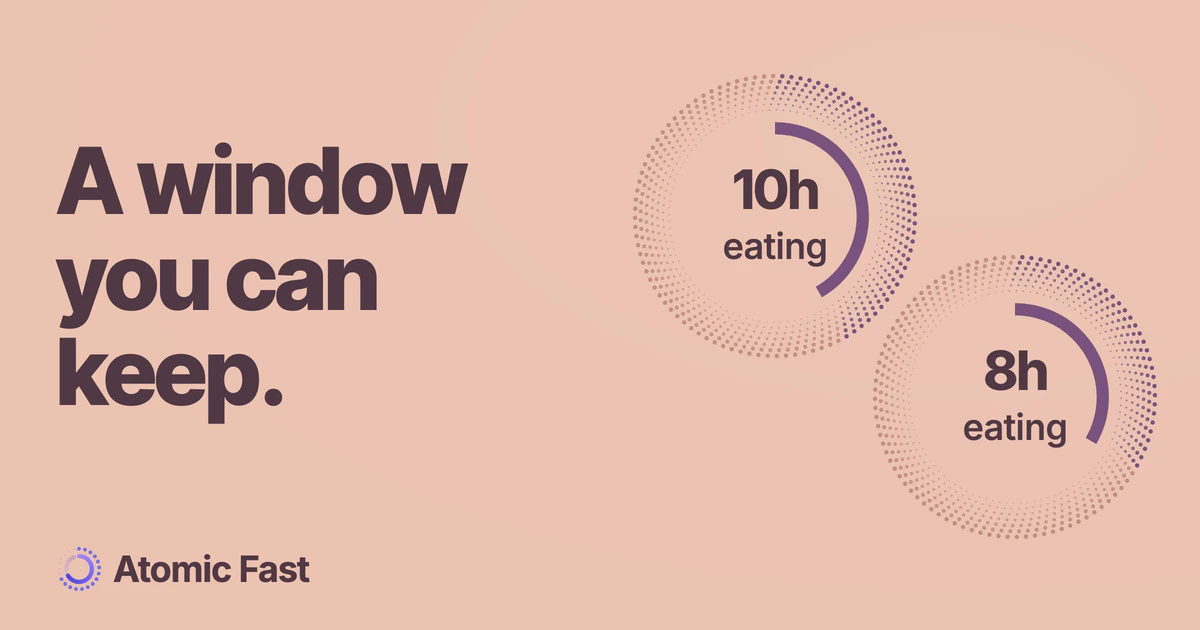
The best window isn’t the strictest one, it’s the one that fits your real life. If you love dinner with family, keep your window in the afternoon and evening (say noon to 8 p.m.) and skip breakfast. If you’re a morning eater who fades at night, do the opposite (8 a.m. to 4 p.m.). Either works. Consistency does more than perfection here, and a 16:8 trial in resistance-trained men held onto muscle and strength when protein stayed high, so this isn’t about eating less of everything, just eating in a tighter window (Moro 2016).
One decision up front: what will you drink during the fasting hours? Water is a yes. Black coffee and plain tea are fine. The gray area is everything with calories, and we sorted through that in detail in what actually breaks a fast. For day one, keep it simple: if it has calories, save it for your window.
8:00 p.m.: Last bite
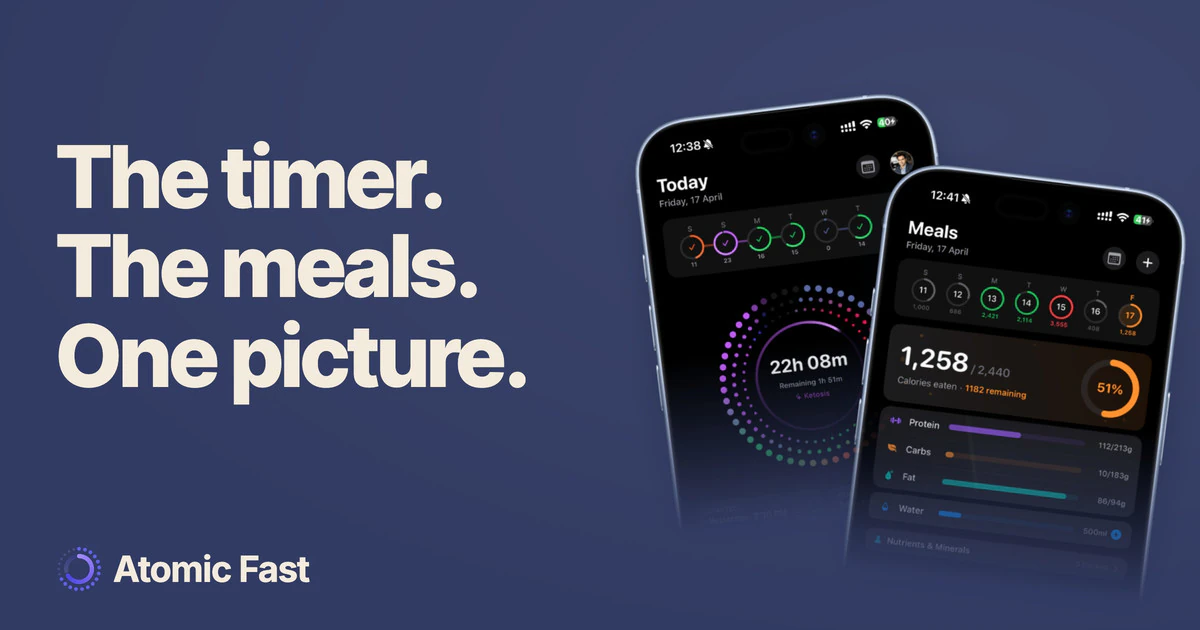
Finish dinner like normal. You don’t need a giant “last supper,” and loading up won’t help you coast through tomorrow. A regular balanced meal with some protein is plenty. Note the time, because that’s your start line. If you’re using Atomic Fast, the main Start Fast button begins immediately with the displayed goal. More fasting options lets you choose another goal and start time. Check that the selected goal is the one you intend.
8:00 p.m. to 11:00 p.m.: Nothing happens (that’s the point)
Keep your usual evening and sleep routine. If you need more food, eat and record a later start rather than forcing the example. An urge to eat cannot always be classified as boredom or habit.
11:00 p.m. to 7:00 a.m.: You sleep through the hard part
Sleep can cover a large part of an overnight gap between meals. It does not guarantee that the rest will feel easy. The physiology review by Anton and colleagues describes a variable transition toward stored fuel, not a universal switch at twelve hours. Our phase guide explains the distinction.
7:00 a.m.: Check the plan against your morning
This is eleven hours after the example’s last meal. Check how you feel and what the morning requires. Drink according to your needs, and eat breakfast if you need it; water is not a substitute for food. Plain coffee is optional and may aggravate symptoms for some people.
9:00 a.m. to 11:00 a.m.: The wave
Appetite may be noticeable around familiar mealtimes. It can fluctuate, but there is no dependable twenty-minute deadline at which it must disappear.
A headache, shakiness or dizziness can have several causes. Do not assume low salt or try to preserve the fast with an electrolyte remedy. Stop and address symptoms; see our headache guide for reasons to seek care.
12:00 p.m.: Break your fast
Sixteen hours. You made it. Now don’t undo it by inhaling the biggest, greasiest thing in reach, which tends to leave you sluggish and can upset an empty stomach. Start with real food that has protein and some fiber, and eat until you’re satisfied, not stuffed. If you want a proper rundown, we wrote about what to eat when breaking a fast. Then eat normally through your window and finish by 8 p.m. again.
That’s it. That’s a first day. Undramatic on purpose.
What’s normal on day one, and what isn’t
Hunger alone is different from feeling faint, confused, shaky or significantly unwell. Stop the fast, get somewhere safe and follow any existing glucose-treatment plan. Severe or persistent symptoms need care.
The day of the routine does not diagnose the cause. People taking medication, managing a condition, pregnant or with a history of disordered eating should get appropriate advice before changing meals.
Where the app fits
A timer can keep the time record for you. Atomic Fast shows elapsed hours and fixed phase labels, without measuring your metabolism or deciding whether you should continue. The separate meal-based digestion estimate does not recommend a next fast or personalize those labels. End a session when you need to; the record should describe your day rather than pressure you to reach a number.
Frequently asked questions
Will hunger pass in twenty minutes? There is no guaranteed duration. Appetite can fluctuate, but eat when you need to and do not dismiss other symptoms as a hunger wave.
Can I have coffee? Plain coffee may fit an ordinary eating-window plan. It is optional and can worsen reflux, jitters or sleep problems. Medical-test and religious rules differ.
What if I get a headache? Stop and review symptoms rather than assuming dehydration or low salt. Severe, sudden or unusual headache needs medical attention.
Must I complete sixteen hours? No. This is an example schedule, not a requirement or a test of willpower.
How long until it feels easy? There is no validated deadline. A plan that repeatedly interferes with food, work, sleep or wellbeing needs reassessment.
Sources
Sources checked: October 11, 2026.
-
Johns Hopkins Medicine — Intermittent Fasting: What is it, and how does it work? — General clinical education and groups advised not to fast; an adjustment estimate is not a symptom-safety rule.
-
NIDDK — Low Blood Glucose (Hypoglycemia) — Low-glucose risks, symptoms and the need for an individual medication and treatment plan.
-
Anton SD et al. (2018), Flipping the Metabolic Switch: Understanding and Applying the Health Benefits of Fasting. Obesity (Silver Spring, Md.) — Background on variable fuel transitions; not a clock that predicts individual sensations.
-
Moro T et al. (2016), Effects of eight weeks of time-restricted feeding (16/8) on basal metabolism, maximal strength, body composition, inflammation, and cardiovascular risk factors in resistance-trained males. Journal of translational medicine — The lifting trial mentioned in the introduction involved trained men, not first-day beginners.
Use Atomic Fast to record the schedule you choose on the App Store or Google Play.
This article is for general information and isn’t medical advice. If you’re pregnant, have a history of disordered eating, or take medication for a condition like diabetes or blood pressure, talk to your doctor before starting intermittent fasting.
Try Atomic Fast free
Track your fasts, log your meals, and see how they affect each other, on iPhone and Android.


 Scan to download